Post-Graduate

Updated: Jan 5, 2022
While some conservators move directly from graduate school into a permanent professional position, post-graduate fellowships and contract or project-based positions are common in the years directly after graduation.
Graduates of conservation degree programs are considered to be conservators; however, additional training and experience may be desired. Many permanent conservator positions require a few years of experience after graduate school. Fellowships and contract positions can provide that conservation experience, as well as give an opportunity to work in a variety of settings and with professional mentors.

Step 1: Fellowships
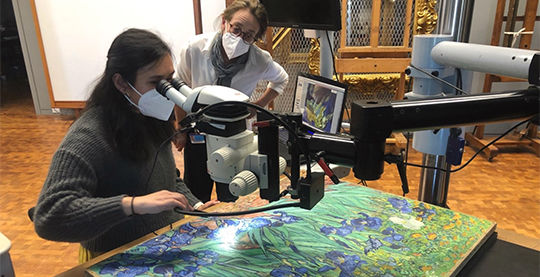
Fellowships are paid term positions that have an educational component. They generally last 1–3 years and are designed specifically for recent graduates of a conservation master’s program. Fellows participate actively in the operations of the conservation department, learn from more experienced colleagues, and complete advanced conservation treatments. Fellowships may also include a research component.
Career Path: Fellowships provide an opportunity for recent graduates of conservation programs to gain important work experience. Many fellows also complete and publish a research paper, which can enhance their profile within the field.
Step 2: Contract/Project Positions
Conservation departments may receive funding to complete a specific project, creating a term position. These positions are project-based, focused on completing a particular initiative, and may or may not provide opportunities for research and/or publication.
Career Path: Term positions provide conservators with professional-level work experience, strengthening a conservator's resume and network.
Step 3: Find an Opportunity
There are several ways to find training or employment opportunities in conservation:
Positions are typically advertised on an institution’s or company’s own website. These can often be found under the “About” section of an institutional site, under sub-headers such as “Career Opportunities,” “Jobs,” or “Get Involved.” Training or educational opportunities, such as internships and fellowships, may be part of a grant project or educational program managed by a department outside of Human Resources. These opportunities may be found under “Education” on an institutional website.
The conservation field is small, and sometimes opportunities are found by word-of-mouth. Meeting local professionals and becoming familiar with local institutional and private practice labs can be useful in building your professional network.


Comments